METEK GmbH Germany
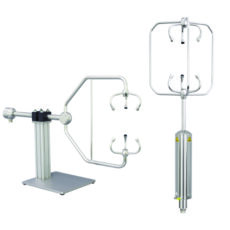
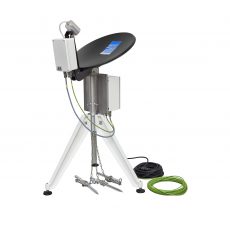
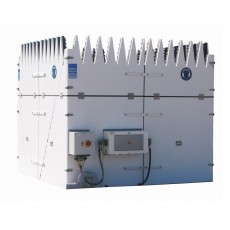
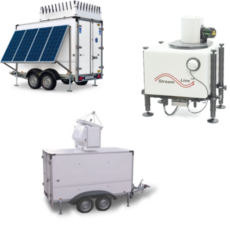
We offer a wide range of high-end meteorological instrumentations starting with a family of sonic anemometers and variants of versatile data loggers completed by a variety of conventional sensors for operational weather observations. Furthermore, our ground based remote sensing techniques utilising acoustic, radar and laser signals provide profiles of wind, temperature, precipitation and clouds in continuous unattended operation.


Products
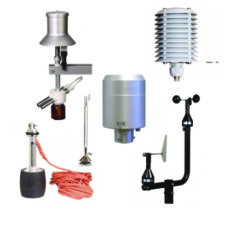
Metek offers high quality in-situ sensors and remote sensing profilers to measure relevant meteorological variables such as wind, temperature, turbulence, precipitation or clouds.
Applications
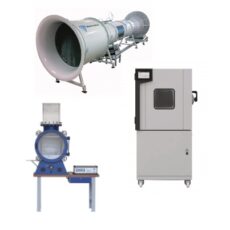
Our products and services offer reliable and cost efficient solutions for a broad range of measuring tasks including comprehensive consultancy to optimize the instrumental set-up.
Sales partners
Metek has established a network of long term cooperations with competent and experienced partners to provide our customers efficient and convenient local support and services.
Support
To maximise our customers’ benefit from our products and services we provide direct links to our technical experts. We also offer some smart freeware tools, internal reports and white papers.

Latest News
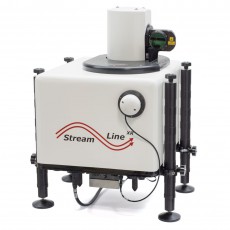
METEK GmbH as Distributor for Streamline Doppler Lidars
On August 1st, 2023 Lumibird S.A. as a leading manufacturer of laser components and pulsed Doppler lidars has signed a comprehensive cooperation agreement with METEK GmbH. The cooperation focuses on …Read More »METEK at DACH 2022 in Leipzig
For many years, the DACH has established itself as the specialist and advanced training conference for meteorology in the German-speaking region. Organized by the meteorological societies of Germany (DMG), Austria …Read More »METEK acquires business areas of Theodor Friedrichs GmbH & Co.
On 1st of March 2022 METEK GmbH took over parts of the business activities of Theodor Friedrichs GmbH & Co. We are pleased to welcome the majority of the former …Read More »Innovative FM-CW Short Range Lidar Wind Ranger 100/200
METEK GmbH succeeded in the development of a new approach of laser-based wind sensing. The product family Wind Ranger 100/200 uses a frequency modulation of a continuous wave eyesafe Doppler …Read More »METEK Nordic Established as Subsidiary at DTU Link, Roskilde
METEK GmbH opened a 100 % subsidiary METEK Nordic ApS to accumulate market activities in northern european countries and to enhance market visibility in wind energy markets.Read More »